Beginner’s Guide to Indoor Climbing for Fitness Gains
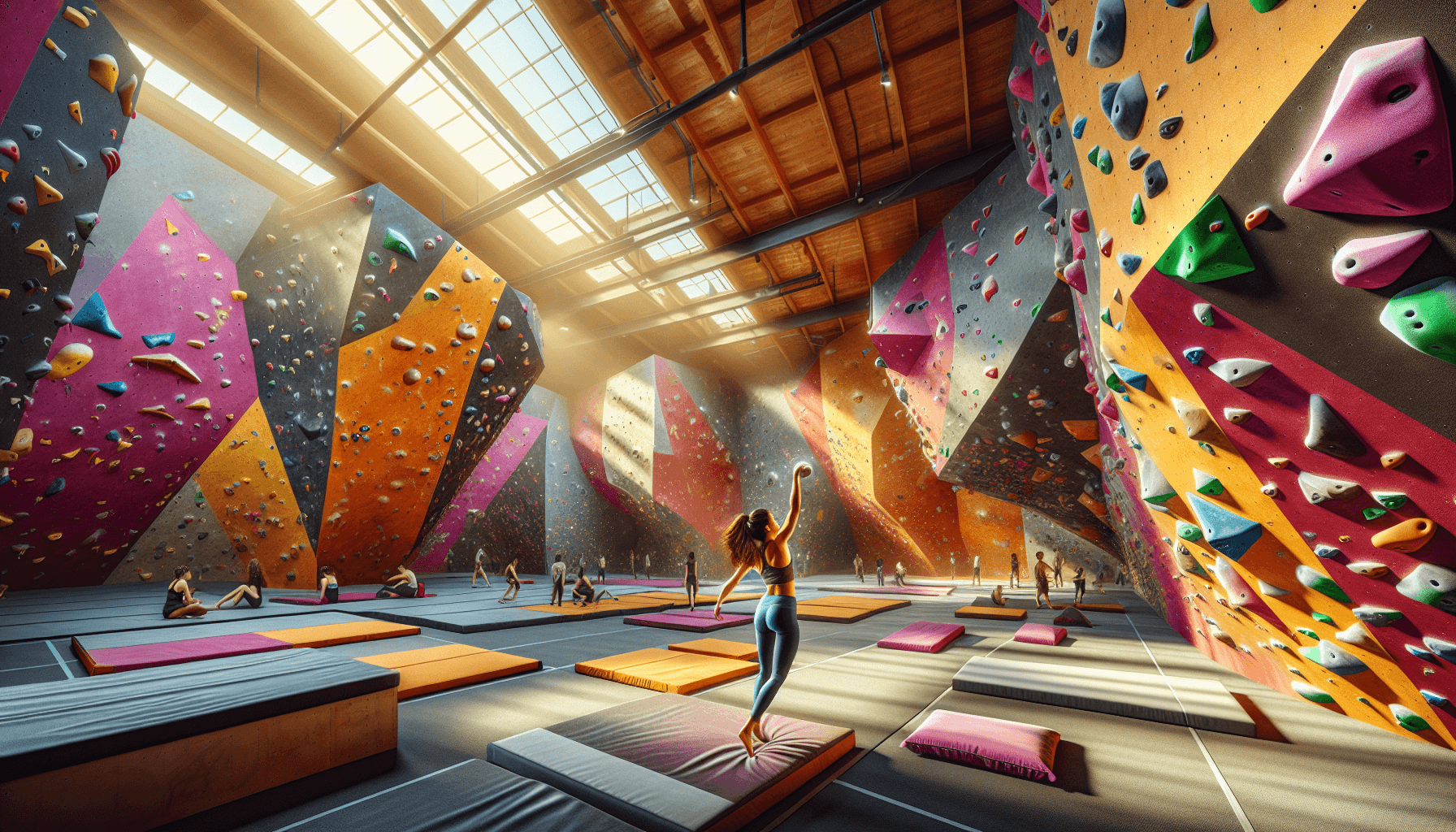
Indoor Climbing for Fitness: A Beginner’s Playbook
If you’ve seen the recent buzz around indoor climbing gyms popping up on social feeds and in the news, you’re not imagining it. From features on modern climbing facilities to athletes using climbing walls for cross‑training, this sport has moved from niche to mainstream.
The best part? You don’t need to be ultra-strong or fearless to start. Indoor climbing can be one of the most fun, full‑body ways to get fit—especially if traditional gym workouts don’t excite you.
In this guide, you’ll learn how to use indoor climbing as a beginner-friendly fitness tool: what to expect, how it improves strength and conditioning, and a simple plan for your first four weeks.
Why Indoor Climbing Is a Fitness Game‑Changer
Indoor climbing isn’t just about pulling yourself up a wall. Each session trains multiple fitness qualities at once:
1. Full‑Body Strength in Every Move
Climbing is often called “upper-body focused,” but it’s really a head‑to‑toe workout:
- Grip and forearms: Holding small edges and grips builds serious forearm and hand strength.
- Back and shoulders: Pulling movements hit lats, mid-back, and rotator cuff muscles.
- Core: Staying close to the wall forces your abs and obliques to work constantly.
- Legs and glutes: Good climbers “push with the legs, not pull with the arms.” Your quads and glutes drive you upward.
This makes climbing a powerful complement to strength training or even a fun substitute if you hate traditional lifting.
2. Cardio Without the Treadmill
Short bursts of effort, controlled breathing, and active rest between climbs mimic interval training:
- Your heart rate spikes while you’re on the wall.
- It drops while you rest and plan your next route.
Over a 60‑minute session, you can rack up a surprising amount of calorie burn and cardiovascular work without feeling like you’re “doing cardio.”
3. Mobility and Joint Health
Climbing routes (often called "problems" in bouldering or "routes" in roped climbing) force you into positions that gently challenge your range of motion:
- High steps boost hip mobility
- Reaching and twisting improve shoulder and thoracic spine mobility
- Dynamic foot placements train ankle stability
This kind of functional mobility can carry over into daily life and other sports.
4. Mental Fitness and Stress Relief
Climbing is like solving a puzzle with your body:
- You must stay present, plan moves, and adapt on the fly.
- You get quick feedback: either you complete the route or you fall and try again.
This built-in focus makes climbing an effective mindfulness practice and stress reliever—no meditation app required.
Bouldering vs. Roped Climbing: Which Should You Start With?
Most modern climbing gyms offer two main options:
Bouldering
- Height: Short walls, usually 10–16 feet, with thick padded floors.
- Gear: Climbing shoes and chalk. No harness or rope.
- Style: Short, powerful routes that last 5–30 seconds.
- Good for: People who like quick attempts, social energy, and freedom to move without ropes.
Top-Rope / Auto-Belay Climbing
- Height: Taller walls, often 30–60 feet.
- Gear: Harness, shoes, rope, and a partner (or auto-belay system if available).
- Style: Longer, endurance-based climbs.
- Good for: People who like steady effort, time to think, and a clear sense of progress as they reach new heights.
If you’re nervous: Start with top-rope or auto-belay. Being attached to a rope and lowered slowly can feel safer at first.
If you want quick, fun challenges: Try bouldering. Falls are short, and you can hop on and off routes with minimal instruction.
What to Expect on Your First Climbing Gym Visit
Climbing gyms are used to total beginners. Here’s how a typical first visit goes:
-
Check-in and waiver
You’ll sign a waiver and possibly watch a short safety video. -
Gear rental
- Climbing shoes: Fit snug but not painfully tight.
- Harness (for roped climbing): Staff will help you size and secure it.
-
Orientation or belay lesson
Many gyms require a short class if you plan to belay a partner. If you’re using auto-belay or just bouldering, staff will show you how those systems work and how to fall safely. -
Warm-up area
Most gyms have space for light stretching, mobility drills, and easy traversing (climbing sideways close to the ground). -
Your first routes
Routes are usually color‑coded by difficulty. Start with the easiest colors and expect to feel challenged—that’s normal.
What to Wear and Bring (Beginner Checklist)
You do not need special climbing clothes to start. Keep it simple:
- Top: Breathable t‑shirt or tank
- Bottoms: Athletic shorts, leggings, or joggers that stretch easily
- Socks: Thin socks (some prefer barefoot in rental shoes, but thin socks are fine)
- Water bottle: Climbing gets sweaty fast
- Liquid chalk or chalk bag (optional): Helps with grip, especially if your hands get sweaty
Avoid:
- Super baggy shorts (they can catch on holds or your harness)
- Heavy cotton that stays drenched in sweat
A Simple 4‑Week Beginner Climbing Plan
Use this as a flexible template to build fitness safely.
Week 1: Learn the Basics (1–2 sessions)
Focus: Comfort, safety, and fun.
- 10 min: Light warm-up (brisk walk, arm circles, hip circles)
- 10–15 min: Easy traversing or very easy routes
- 20–30 min: 5–8 beginner routes or boulder problems
- Rest 2–3 minutes between attempts
- Stop when your grip starts failing, not when you literally can’t move
- 5–10 min: Gentle stretching (forearms, shoulders, hips)
Week 2: Build Volume (2 sessions)
Focus: More attempts, still easy difficulty.
- Aim for 10–15 total climbs per session, mostly at beginner grades
- Try repeating the same easy route 2–3 times to improve efficiency
- Practice climbing with your feet:
- Place your toes precisely
- Push with legs instead of yanking with arms
Week 3: Add Variety (2–3 sessions)
Focus: Movement skills and moderate difficulty.
- Start each session with 3–5 very easy climbs
- Add 3–5 slightly harder routes that make you work but don’t feel impossible
- Experiment with:
- Different wall angles (slabs vs. overhangs)
- Using your hips: twist and turn to reach holds more easily
Week 4: Progress and Recovery (2–3 sessions)
Focus: Smart progression and listening to your body.
- Choose 1–2 “project” routes that are a bit above your comfort level
- Spend 10–15 minutes per session working on these:
- Break them into sections
- Practice specific moves instead of always starting from the bottom
- Add 1 day of light strength work (push-ups, rows, bodyweight squats, planks) to support climbing muscles and joint health.
Rule of thumb: If your fingers, elbows, or shoulders feel more than mildly sore, take an extra rest day. Tendons adapt slower than muscles.
Safety Tips So You Can Climb Longer, Not Just Harder
Climbing is generally very safe in a modern indoor gym when you follow basic rules.
- Warm up your fingers gradually: Start on big, easy holds.
- Never walk under climbers on bouldering walls.
- Learn how to fall: Land with bent knees, roll onto your back if needed, and avoid stiff, straight-legged landings.
- Respect finger pain: Sharp or weird joint pain is a stop signal.
- Hydrate and rest: Dehydration and fatigue increase injury risk.
Remember: You’re not competing with anyone else on the wall. Progress in climbing is measured in decades, not days.
How to Track Progress Without Obsessing Over Grades
Route grades are helpful, but they’re not the only way to see progress. Notice improvements in:
- Endurance: You can climb more routes per session before getting tired.
- Confidence: You feel calmer on the wall and less afraid of falling.
- Technique: You rely more on your legs, less on brute arm strength.
- Recovery: Your forearms don’t stay sore for days like they used to.
You can also jot down in a training journal:
- How many routes you climbed
- The hardest grade that felt comfortable
- Any specific moves or techniques you learned
Over a few months, these notes become a clear picture of how far you’ve come.
Final Thoughts: Climbing as a Long-Term Fitness Habit
Indoor climbing blends strength training, cardio, mobility, and mental focus into one addictive package. With more climbing gyms, better training tools, and beginner-friendly programming than ever, it’s a perfect time to use climbing as your primary fitness routine—or as a fun cross‑training option.
Start simple, climb easy, and let consistency do the heavy lifting. Your grip, core, and confidence will catch up faster than you think.
Frequently Asked Questions
Is indoor climbing good exercise for beginners?
How often should I climb as a beginner?
Do I need to be strong before I start climbing?
What equipment do I need for indoor climbing?
Related Articles

How to Build an Unbreakable Gym Habit in 30 Days
Turn “I’ll start Monday” into a real gym habit in just 30 days. Learn a step‑by‑step plan, mindset shifts, and practical tools to make workouts stick for life.

Smart Snack Strategy: High‑Protein Snacks For Lifters
Learn how to use high-protein snacks strategically to boost muscle growth, control hunger, and support metabolic health, without obsessively tracking every gram.
2-Day Strength Split For Busy Women In 2025
Pressed for time but still want to get stronger? Learn how to use a 2-day strength split to build muscle, boost energy, and stay consistent, even with a packed schedule.
Enjoyed This Article?
Check out more fitness tips, workout guides, and nutrition advice on our blog.
Browse All Articles →