Ad Libitum Protein: Eat More, Track Less, Stay Lean

Ad Libitum Protein: The Simple Way To Eat More, Track Less, Stay Lean
If you’re tired of calorie counting, macro spreadsheets, and feeling guilty every time you look at a food label, there’s a refreshing shift happening in the fitness and nutrition world: ad libitum protein eating.
Recent conversations in fitness news are highlighting how higher-protein, eat-to-satisfaction diets can improve body composition, support long-term health, and make staying fit feel a lot less like a part-time job. Instead of obsessing over every bite, you focus on one big lever: prioritizing protein and letting appetite do more of the work.
This post breaks down what an ad libitum protein approach is, why it works, and how to start using it in your real life—without weighing every gram.
What Is an Ad Libitum Protein Diet?
"Ad libitum" is just a fancy way of saying "as much as you want".
An ad libitum protein diet means:
- You prioritize protein at each meal
- You eat protein-rich foods to satisfaction, not to a strict gram target
- You let your natural fullness signals guide your total intake
Instead of:
- Tracking every calorie
- Hitting hyper-precise macro targets
- Feeling like you "failed" if you go over or under by a few grams
This approach lines up with a big trend in fitness right now: finding sustainable, low-friction ways to stay fit, especially for people who are too busy to micromanage their diet.
Why Protein Changes the Game for Appetite and Body Composition
Protein is not just about building muscle. It has three major advantages that make it perfect for an ad libitum approach:
1. Protein Keeps You Fuller for Longer
Protein is the most satiating macronutrient. When you eat more protein:
- You feel full sooner
- You stay full longer
- You naturally tend to eat fewer total calories without trying
This is huge if your goal is fat loss without constant hunger.
2. Protein Helps You Keep (and Build) Muscle
When you’re training—whether at a big box gym, a new facility like the ones opening around the country, or just with dumbbells at home—protein is your best friend for:
- Preserving muscle while losing fat
- Supporting recovery from workouts
- Maintaining strength as you age
More muscle = better metabolism, better performance, and better long-term health.
3. Protein Has a Higher "Thermic Effect"
Your body burns more calories digesting protein compared to carbs or fats. That doesn’t mean you can eat unlimited amounts and magically lose fat, but it does tilt the odds in your favor when you prioritize protein over ultra-processed, low-protein foods.
Who Is an Ad Libitum Protein Approach Good For?
An ad libitum protein strategy works especially well for:
- Busy professionals who don’t want to track every meal
- Parents juggling work, kids, and training
- Beginners overwhelmed by complex diet rules
- People returning to the gym after a long break who want simple nutrition wins
If you’ve struggled with all-or-nothing dieting, this can be a much calmer middle ground.
How Much Protein Should You Aim For (Without Going Crazy)?
Even with an ad libitum approach, having ballpark targets helps.
A practical range for most active people is:
- 0.7–1.0 grams of protein per pound of goal bodyweight
But instead of stressing about hitting exact numbers, think in meals, not macros:
- Aim for 20–40g of protein per meal
- Include a solid protein source every time you eat
If you focus on those two habits, you’ll usually end up in a great range without tracking.
Step-by-Step: How To Start an Ad Libitum Protein Plan
Step 1: Build Your "Go-To" Protein List
Pick 5–10 protein sources you like and can easily access:
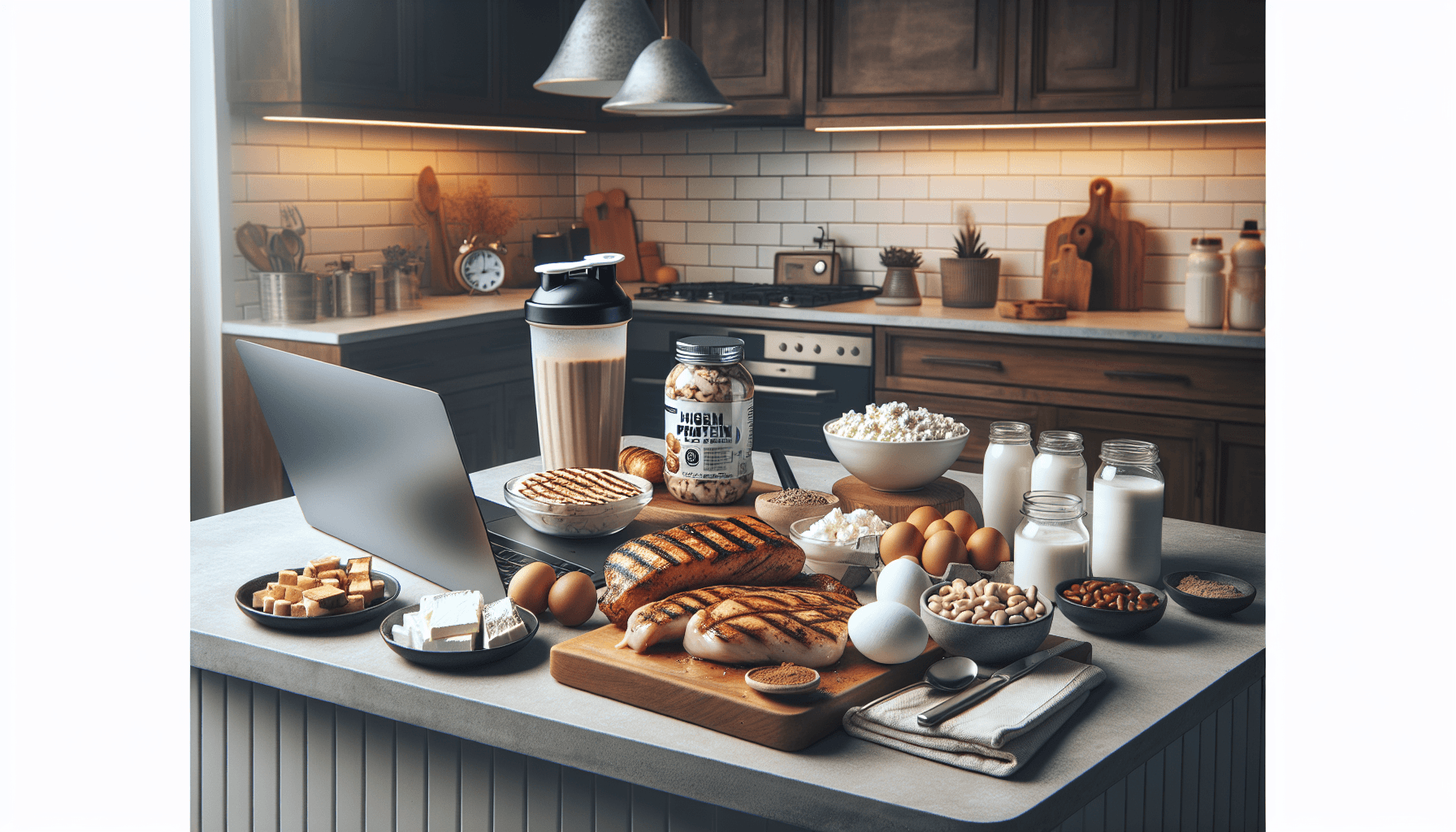
- Animal-based: chicken breast, turkey, lean beef, Greek yogurt, cottage cheese, eggs, fish, whey protein
- Plant-based: tofu, tempeh, edamame, lentils, chickpeas, seitan, soy or pea protein powder
You don’t need fancy recipes—just reliable options you can plug into meals quickly.
Step 2: Make Protein the Centerpiece of Every Meal
Flip the usual script. Instead of asking, "What do I feel like eating?", ask:
"What’s my protein source going to be?"
Then build the rest of the meal around it.
Example day (no tracking required):
- Breakfast: Greek yogurt bowl with berries and a sprinkle of oats or granola
- Lunch: Chicken, tofu, or lentil bowl with rice or potatoes and mixed veggies
- Snack: Protein shake or cottage cheese with fruit
- Dinner: Salmon, steak, or tempeh with roasted vegetables and a side of carbs
You eat these meals to satisfaction, not to a strict calorie cap.
Step 3: Use Simple Visuals Instead of Weighing Everything
You don’t need a food scale. You can use hand-based portions:
- Protein: 1–2 palm-sized servings per meal
- Carbs: 1–2 cupped-hand servings per meal
- Fats: 1–2 thumb-sized servings per meal
- Veggies: 1–2 fist-sized servings per meal
Adjust up or down based on your hunger, energy, and goals.
Step 4: Let Hunger and Progress Guide Small Tweaks
With an ad libitum plan, the feedback loop is simple:
- If you’re always starving → increase protein and veggies, and don’t be afraid of some carbs
- If you’re gaining weight unintentionally → keep protein high but slightly reduce calorie-dense extras (oils, snacks, desserts, liquid calories)
- If your energy is crashing → consider adding a bit more carbs around workouts
You don’t need to change everything at once. Tweak one thing at a time and give it 1–2 weeks.
Common Mistakes With Ad Libitum Protein (And How To Avoid Them)
Mistake 1: Using "Ad Libitum" as an Excuse To Overeat Everything
Ad libitum applies to protein-first meals, not mindless snacking.
Fix: Eat mostly structured meals built around protein. If you snack, make it protein-centered (Greek yogurt, protein shake, edamame, cottage cheese).
Mistake 2: Forgetting About Overall Food Quality
You can still overeat ultra-processed, high-fat, high-sugar foods—even with good protein intake.
Fix: Aim for mostly whole or minimally processed foods: lean proteins, fruits, vegetables, whole grains, and healthy fats.
Mistake 3: Ignoring Strength Training
Protein works best when it has a job to do. That job is building and maintaining muscle.
Fix: Combine your ad libitum protein diet with regular resistance training 2–4 times per week. This can be at a gym or at home with dumbbells, bands, or bodyweight.
A Simple 7-Day Ad Libitum Protein Challenge
If you want to test this approach without overhauling your life, try this for the next week:
- Pick 3–5 protein sources you enjoy and stock them.
- Include protein at every meal (20–40g if you’re guessing).
- Eat slowly and stop at "comfortably full," not stuffed.
- Strength train 2–3 times (even short, 20–30 minute sessions count).
- Track only two things: how you feel (energy, hunger) and how your clothes fit.
At the end of 7 days, ask:
- Are you less hungry between meals?
- Do you feel more in control around food?
- Does this feel more sustainable than strict tracking?
If the answer is yes, you’ve found a framework you can build on for the long term.
The Big Picture: Less Obsession, More Consistency
The direction of modern fitness is clear: sustainability beats perfection.
An ad libitum protein approach isn’t magic, but it does line up with how busy, real-world people actually live:
- Minimal tracking
- Flexible, satisfying meals
- Strong support for body composition and health
Focus on this simple rule:
Protein first. Real food most of the time. Eat to satisfaction. Train consistently.
Dial that in, and you can stay fit and strong without feeling like your diet is a full-time job.
Frequently Asked Questions
Is an ad libitum protein diet safe for long-term use?
Can I lose fat without counting calories if I just focus on protein?
Do I need protein powder for an ad libitum protein approach?
How quickly will I see results from increasing my protein?
Related Articles
The Busy Person’s Guide to Protein for Fat Loss
Learn how to use protein strategically to lose fat, control hunger, and protect muscle—without tracking every gram or living on shakes. Simple, busy-proof tips inside.

Smart Snack Strategy: High‑Protein Snacks For Lifters
Learn how to use high-protein snacks strategically to boost muscle growth, control hunger, and support metabolic health, without obsessively tracking every gram.

NEAT Movement: The Simple Daily Habit To Stay Lean
Discover how NEAT movement (non‑exercise activity thermogenesis) can help you burn more calories, stay lean, and boost energy without long workouts or fancy equipment.
Enjoyed This Article?
Check out more fitness tips, workout guides, and nutrition advice on our blog.
Browse All Articles →