The Busy Person’s Guide to Protein for Fat Loss
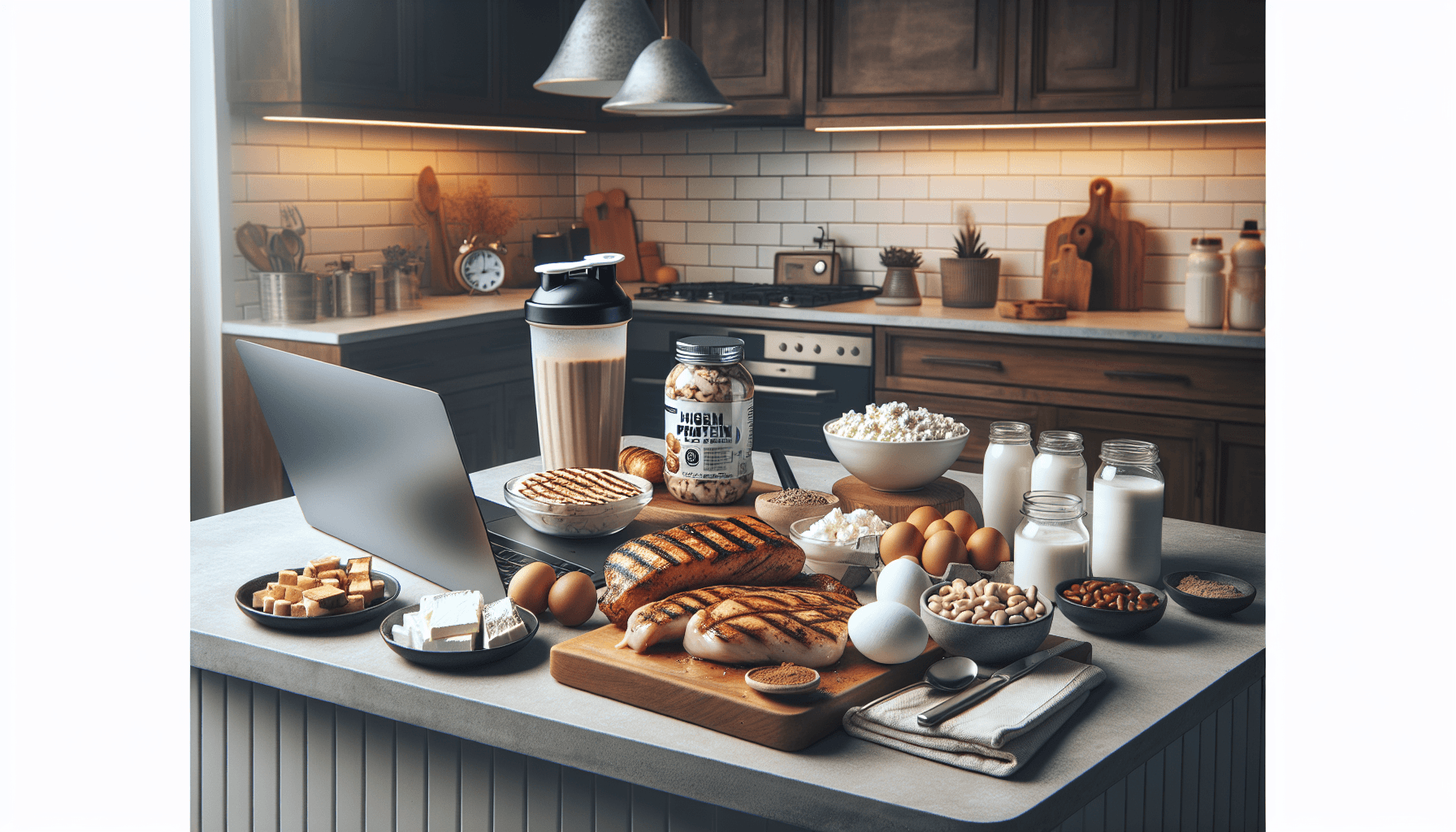
The Busy Person’s Guide to Protein for Fat Loss (Without Obsessive Tracking)
If you’re juggling work, family, and a social life, you probably don’t have time to count every gram of protein or prep bodybuilder-style meals. But you’ve also seen the headlines: higher-protein diets can support a longer, healthier life, help control hunger, and protect muscle as you age.
This post is your practical, no-nonsense guide to using protein to lose fat and stay strong, even when you’re too busy for the gym.
We’ll skip the macro math and focus on simple habits you can actually stick to.
Why Protein Matters More Than You Think
Protein isn’t just for people chasing six-pack abs. It’s a cornerstone of:
- Fat loss: Higher-protein diets help you feel fuller on fewer calories, making it easier to eat less without feeling miserable.
- Muscle maintenance: When you’re dieting or stressed, your body is more likely to break down muscle. Adequate protein helps protect it.
- Metabolism: Protein has a higher thermic effect than carbs or fats—your body burns more calories digesting it.
- Healthy aging: Current research is increasingly focused on how protein intake supports muscle mass, strength, and mobility across your lifespan.
The best part? You don’t need perfection. You need consistency and a few smart defaults.
How Much Protein Do You Actually Need?
Let’s keep this simple and practical.
Most active adults do well with:
- Rough target: 0.7–1.0 grams of protein per pound of goal body weight (1.6–2.2 g/kg)
But instead of obsessing over numbers, use this hand-based guide:
- Women: Aim for 1–2 palm-sized servings of protein per meal
- Men: Aim for 2–3 palm-sized servings of protein per meal
This works surprisingly well, especially if you’re eating 2–4 meals per day.
Focus on:
- Hitting a decent protein source at every meal, not perfection
- Staying consistent most days of the week, not all
The “Protein-First” Rule for Busy Days
You don’t need a rigid meal plan. You just need one simple rule:
Whatever you’re about to eat, secure the protein first. Everything else is negotiable.
That means:
- Ordering a burrito bowl? Lock in chicken/steak + beans before worrying about toppings.
- Grabbing a quick breakfast? Get eggs, Greek yogurt, or a protein shake before the pastry.
- Hitting a drive-thru? Choose the grilled option and skip the double fries.
If you practice this one habit, your overall diet improves automatically—without tracking apps or food scales.
Protein Sources That Fit a Real-Life Schedule
You don’t need gourmet recipes. You need grab-and-go, repeatable options.
Fast Protein for Home
Stock 3–5 of these and you’re set:
- Rotisserie chicken – shred and use in wraps, salads, or rice bowls
- Eggs + egg whites – quick scrambles, omelets, or hard-boiled
- Greek yogurt or skyr – higher in protein than regular yogurt
- Cottage cheese – great with fruit, veggies, or on toast
- Frozen shrimp or fish fillets – cook in minutes
- Lean ground turkey or beef – batch cook and use all week
- Canned tuna or salmon – mix with Greek yogurt or mustard instead of mayo
Fast Protein for Work or On-the-Go
Keep these in your bag, desk, or fridge:
- Ready-to-drink protein shakes
- Protein bars (look for at least 15–20 g protein, moderate sugar)
- Beef or turkey jerky
- Single-serve Greek yogurt cups
- String cheese or cheese sticks
- Roasted edamame or chickpeas
Vegetarian & Vegan-Friendly Options
- Tofu or tempeh
- Seitan (if you tolerate gluten)
- Lentils and beans (pair with grains for a more complete amino profile)
- Soy milk, edamame, soy yogurt
- Plant-based protein powders (pea, rice, or blends)
You don’t need all of these. Pick a small handful you actually like and keep them on rotation.
Simple High-Protein Meal Templates (No Recipes Needed)
Instead of fancy recipes, think in templates you can plug ingredients into.
1. The Power Bowl
- Base: Rice, quinoa, potatoes, or mixed greens
- Protein: Chicken, tofu, shrimp, beans, or lean beef
- Color: 2–3 veggies (frozen is fine)
- Flavor: Salsa, hot sauce, hummus, or a simple dressing
You can build this in 5 minutes with leftovers.
2. The Protein-Loaded Breakfast
Choose one of these fast combos:
- Eggs + egg whites scrambled with spinach + toast
- Greek yogurt + berries + a handful of granola or nuts
- Protein shake + banana + a spoonful of peanut butter
Aim for 20–40 grams of protein in the morning to control hunger later in the day.
3. The Desk-Friendly Lunch
- High-protein base: Greek yogurt, cottage cheese, or a ready-to-drink shake
- Add-ons: Fruit, nuts, baby carrots, cherry tomatoes, whole-grain crackers
- Bonus: Jerky or a second yogurt if you know dinner will be light
Not glamorous, but extremely effective when you’re buried in meetings.
Protein Timing: What Actually Matters for Fat Loss
If your main goal is fat loss and staying strong, don’t stress about bodybuilder-level timing. Focus on:
- Total daily protein – most important
- Even distribution – try to get a decent amount at each meal
- Pre/post-workout – helpful but not mandatory
A Simple Timing Strategy
- Breakfast: Break the low-protein habit. Start the day with 20–40 g.
- Lunch & dinner: Anchor each meal around a palm-sized protein source.
- Snacks: Use protein to plug gaps, not just for “extra.”
If you train:
- Have some protein within a few hours before and after your workout.
- That might just mean a normal meal, not a special “anabolic” shake.
Using Protein to Control Cravings (Instead of Willpower)
Many busy people try to “eat light” all day, then crush snacks at night. Protein can help break this cycle.
Try this for one week:
- Front-load protein: Make breakfast and lunch your highest-protein meals.
- Add a protein snack mid-afternoon: Greek yogurt, shake, or jerky.
- Then observe: Do evening cravings drop even a little?
If you’re less hungry at night, you’ve just found a sustainable fat-loss lever that doesn’t rely on more willpower—just better planning.
What About Protein Shakes? Are They “Cheating”?
Protein shakes are just a tool:
- They’re not magic for fat loss.
- They’re also not cheating or “processed junk” by default.
Use them when:
- You’re too busy for a full meal
- You struggle to hit your protein targets through food alone
- You want a light, quick option pre- or post-workout
Guidelines:
- Look for 20–30 g protein per serving
- Choose one with moderate sugar and ingredients you tolerate well
- Treat it like a convenient protein source, not your entire diet
A 1-Day High-Protein Sample (No Tracking Required)
Here’s how a realistic, busy-day menu might look:
Breakfast (5–10 minutes)
- Scramble: 2 whole eggs + ½ cup egg whites + spinach
- 1 slice whole-grain toast
Mid-Morning
- Coffee + protein shake
Lunch (Packed or Grabbed)
- Burrito bowl: chicken, black beans, rice, fajita veggies, salsa
Afternoon Snack
- Greek yogurt cup + a handful of nuts
Dinner
- Rotisserie chicken
- Frozen mixed veggies (microwaved)
- Potatoes, rice, or another carb you enjoy
Is this perfect? No. Is it high enough in protein to support fat loss and muscle for most people? Absolutely.
Start Here: A 7-Day Protein Challenge
To turn this into action, try this simple 7-day experiment:
- Pick 3–5 protein staples you like and buy them today.
- For the next week, include a clear protein source at every meal.
- Add one high-protein snack on your busiest days.
- Notice changes in:
- Hunger and cravings
- Energy levels
- How easy it feels to eat fewer “random” snacks
If you feel even 10–20% more in control, you’re on the right track. From there, you can fine-tune portions and food choices, but the foundation—protein-first habits—will already be in place.
You don’t need a perfect diet or a ton of free time. You just need a few high-impact protein habits that work with your life, not against it.
Related Articles
Ad Libitum Protein: Eat More, Track Less, Stay Lean
Curious about ad libitum protein diets? Learn how eating protein to satisfaction can boost fat loss, support muscle, and simplify your nutrition without obsessive tracking.

NEAT Movement: The Simple Daily Habit To Stay Lean
Discover how NEAT movement (non‑exercise activity thermogenesis) can help you burn more calories, stay lean, and boost energy without long workouts or fancy equipment.

Smart Snack Strategy: High‑Protein Snacks For Lifters
Learn how to use high-protein snacks strategically to boost muscle growth, control hunger, and support metabolic health, without obsessively tracking every gram.
Enjoyed This Article?
Check out more fitness tips, workout guides, and nutrition advice on our blog.
Browse All Articles →